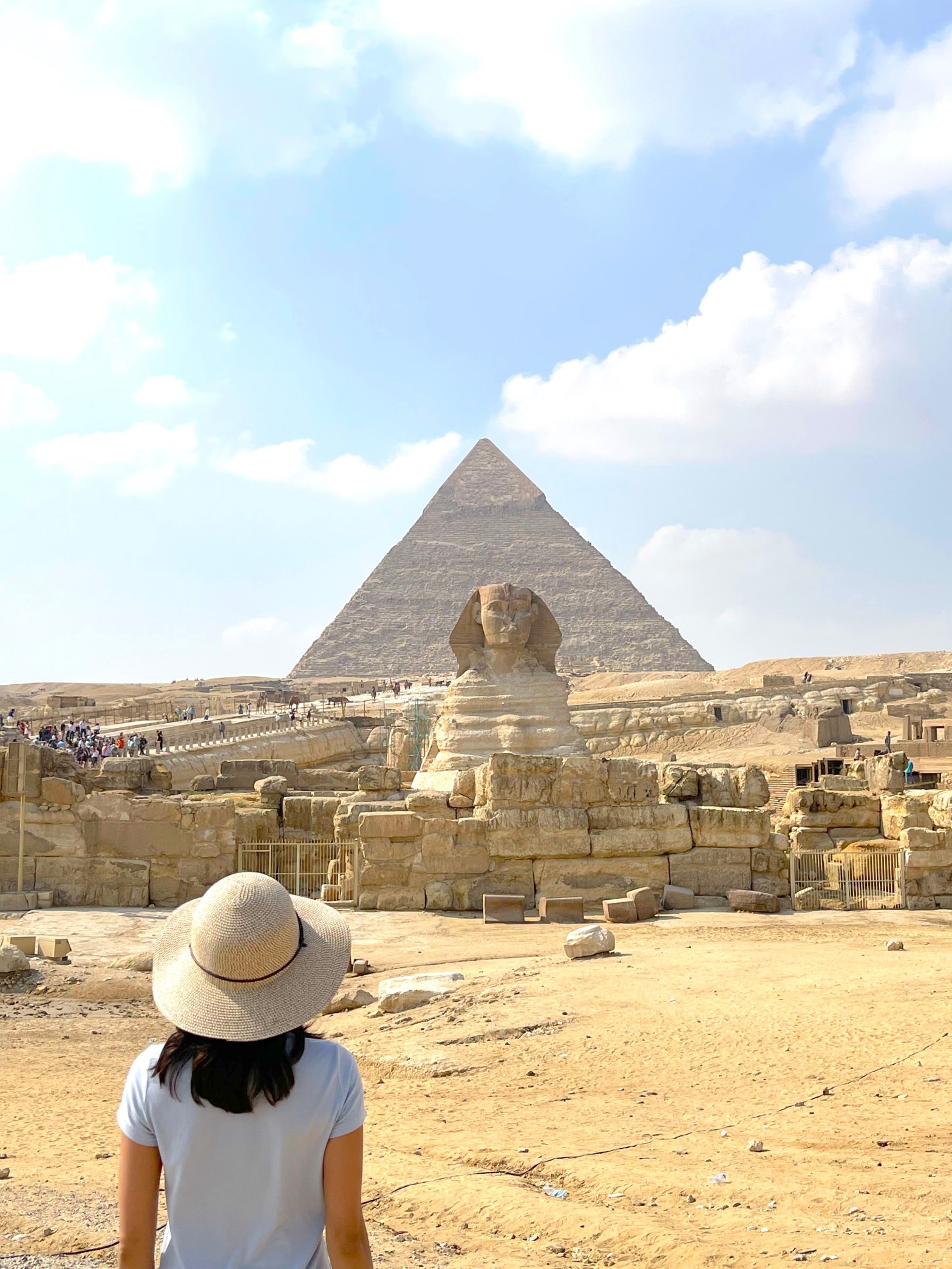
Travel Dates: October/November 2022
We visited Egypt via Intrepid tours, and will change the usual structure of the blog to walk you through the daily itinerary in each city.
TLDR: Intrepid’s Premium Egypt 8-Day Tour gets a 4 out of 5 Stars. Although a bit pricey, the package does include arrival airport transfer, hotel accommodations, transportation while in Egypt, some meals, and major activities. The tour covers Cairo, Aswan, Luxor, and an optional day trip to Abu Simbel (at an additional cost). It’s a relatively intimate group size of max. 12 people, which allows you to become close to your guide and fellow travelers. The downsides of the tour are waking up early (a few days before 6am) and not having enough time at certain stops and feeling rushed. Although starting in 2023, this tour will become a 9-day itinerary so it might not feel as jam-packed. Another thing to note is a majority of the optional activities listed on Intrepid’s site aren’t actually available given the limited free time throughout the trip. Overall, it was a great experience learning about ancient Egypt and being immersed in modern Egyptian cultures (through local family meals). If you’re interested in this, I highly recommend the trip.
Day 1: Landing in Cairo
Once we landed in Cairo, we were picked up with the free airport transfer. Be sure to share your flight itinerary with Intrepid ahead of time so they can arrange a person to escort you through Passport Control.
We submitted our visas online rather than doing it in-person ($25/person no matter which method, but if you do it in-person they only take exact change in USD). It didn’t seem like they checked for it, but it is possible that when going through Passport Control, they can see the e-Visa already linked in the system and hence the process was smoother and faster for us.
At the airport, I recommend getting Egyptian pound (their local currency). If you have a debit card that doesn’t charge foreign transaction fee and waives ATM fees, this would be the best way to get cash, otherwise they do have Money Exchange counters. There are a few ATMs when you exit the baggage claim area. You can only withdraw 4000 Egyptian pounds at a time (but you can do at least two separate withdrawals). We found that 2000 Egyptian pound per person was plentiful (though we did use credit cards–Visa or Mastercard–as much as we could, and had extra USD on hand). Most large restaurants and stores accept credit cards, and smaller tourist shops and gratuities allow for USD.
WiFi can be spotty at hotels and some limit how much data usage you get per day, so if you absolutely need internet throughout the trip, it’s best to get a SIM card at the airport.
The tour says if you arrive early you may have time to explore Cairo, but that was not our experience. You may have to wait for other people from other Intrepid tours to be picked up as well. We landed around 10am, but didn’t leave until after 12pm, and it took almost an hour to get to our accommodation at Steigenberger Cairo Pyramids Hotel. The hotel is located in Giza and not downtown Cairo, so there’s nothing close by; you would need a taxi/Uber. The bright side of the hotel was seeing the Pyramids of Giza right outside of our balcony.
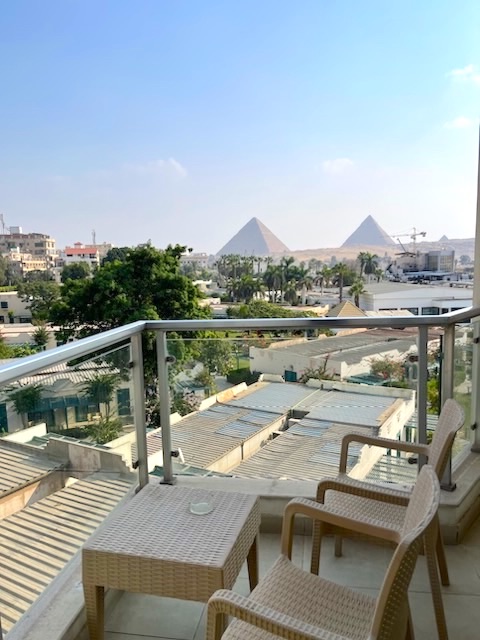
At 6pm there was a welcome meeting in the lobby of the hotel, where we met our tour guide, Mohammad, and the rest of the group. Mohammad checked for travel insurance (you have to get this prior to the trip and show a printout of the policy number and who is covered) along with Covid vaccination proof, and then we reviewed logistics for the trip. Afterwards, we took a private van to get Egyptian cuisine for dinner. We had pita bread with hummus and baba ghanoush, kofta, chicken, rice, and Egyptian salad. After dinner, we headed back to the hotel.
Day 2: Pyramids of Giza and Egyptian Museum
After breakfast, a van picked us up to kick off our first tour of the trip: the Pyramids of Giza. The tour includes entry to the parameter, but to go inside the Great Pyramid of Cheops (or Khufu) is an additional cost. Although there isn’t much to see inside, it’s the arduous ~30-45 minutes roundtrip climb inside the pyramid that made it memorable. There is a singular, narrow path that is shared between people going up and people coming back down, and parts of the climb require you to bend very low in a squat to walk up the steep incline. This may be a bit difficult for people who are not small, and it is not recommended to those who are claustrophobic. There is also no ventilation inside the pyramid and it can get very hot and humid, especially with all the body heat. Despite all these challenges, I highly recommend doing this given you won’t get the opportunity to climb inside a pyramid often.
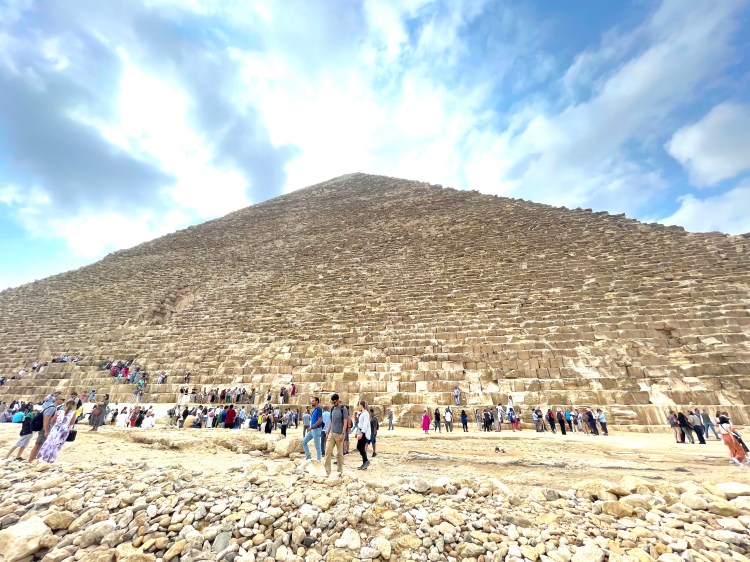
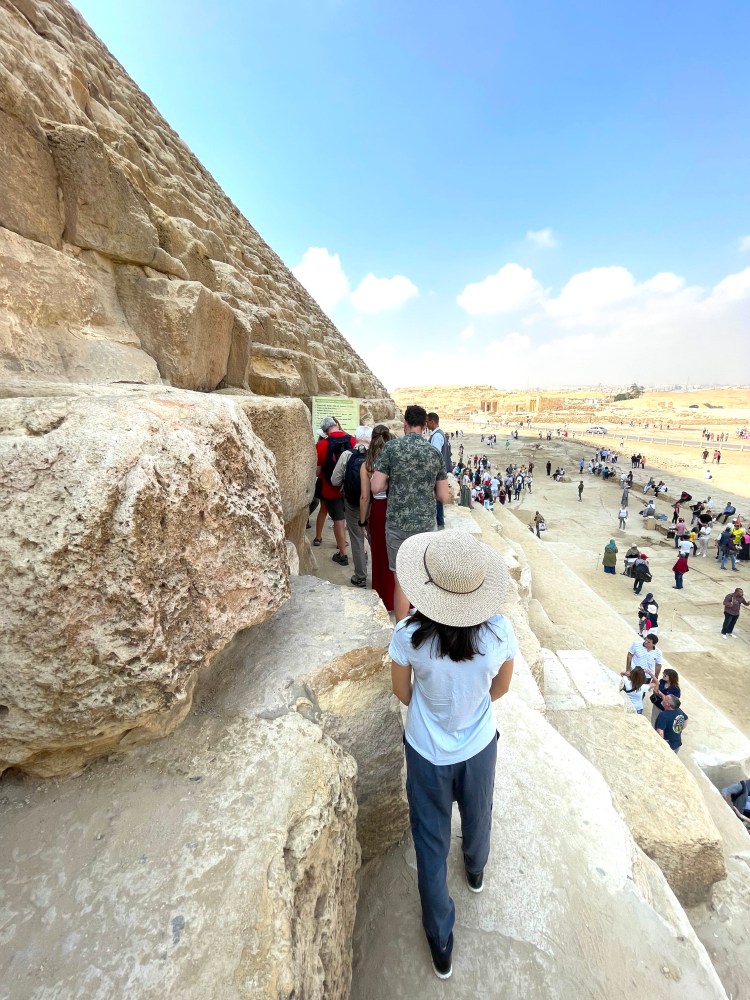
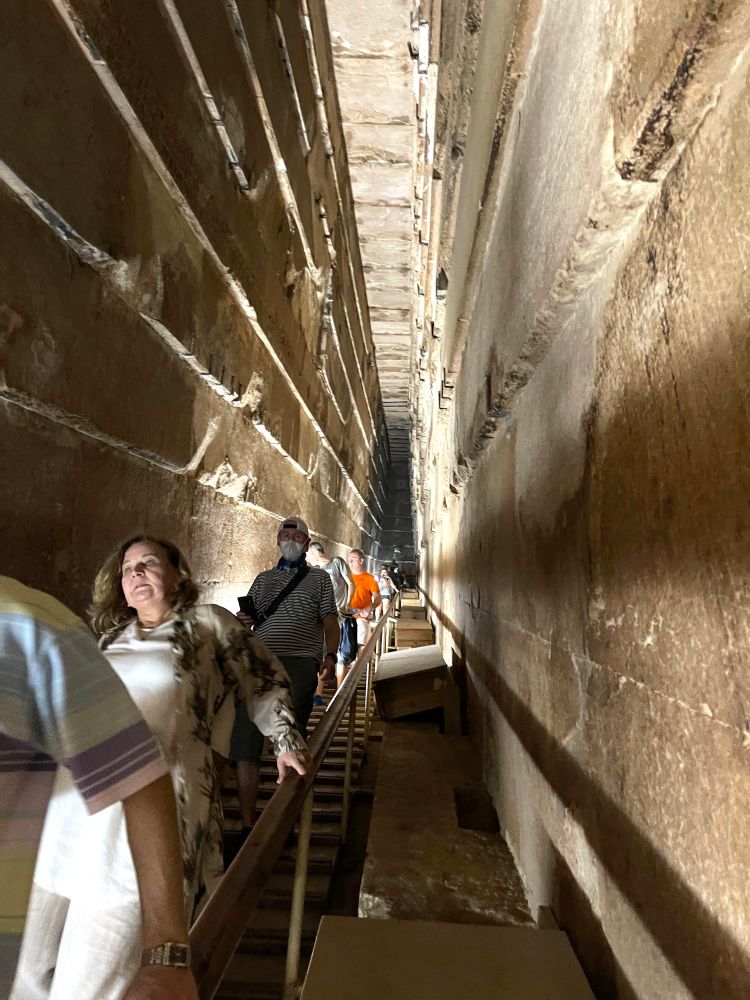
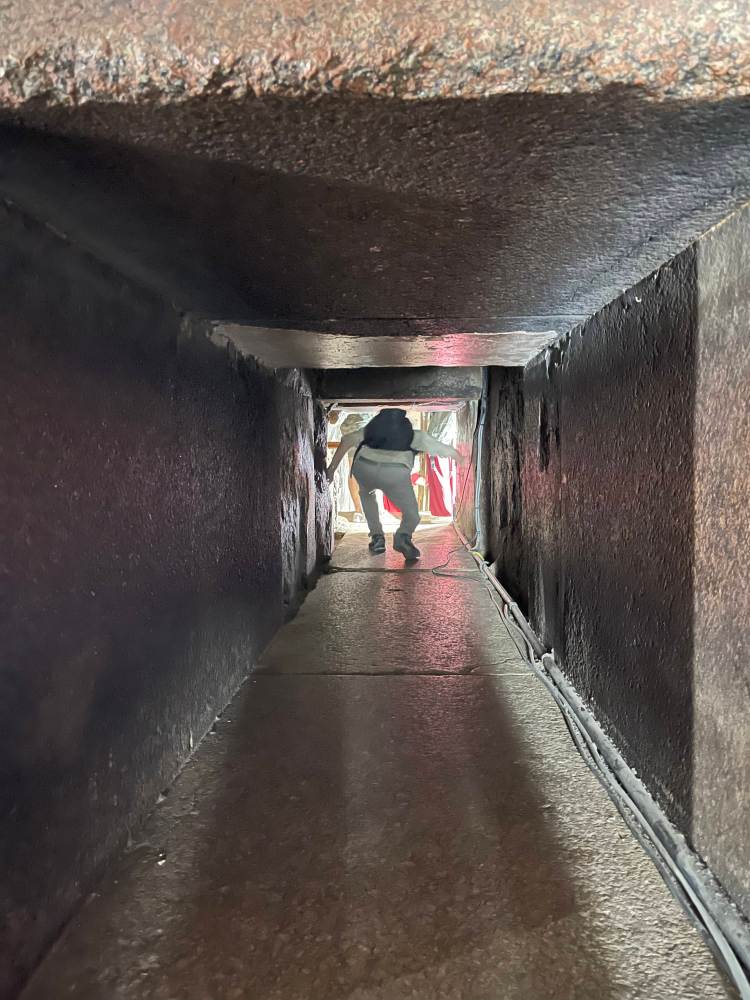
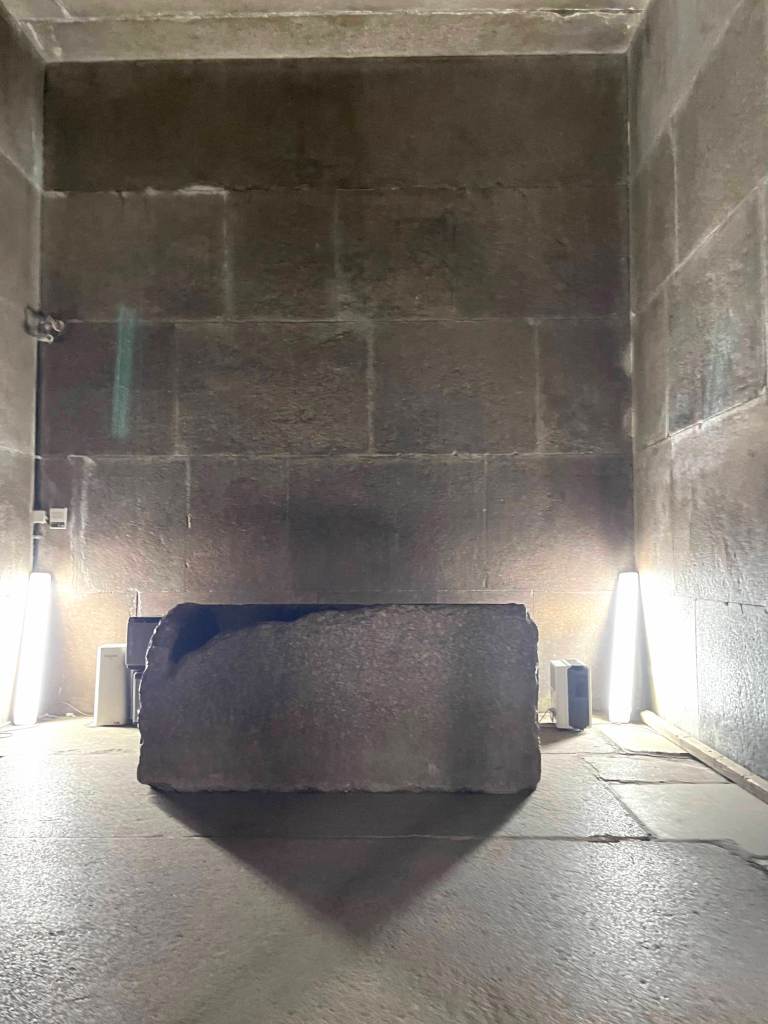
Following the climb, we walked around the Pyramid and had an opportunity to take photos. Our van then picked us up and drove us to the outskirts to see all three pyramids. In this area, we also had an opportunity to ride camels (for an additional cost). Next, we headed to the Great Sphinx and Valley Temple of Khafre.
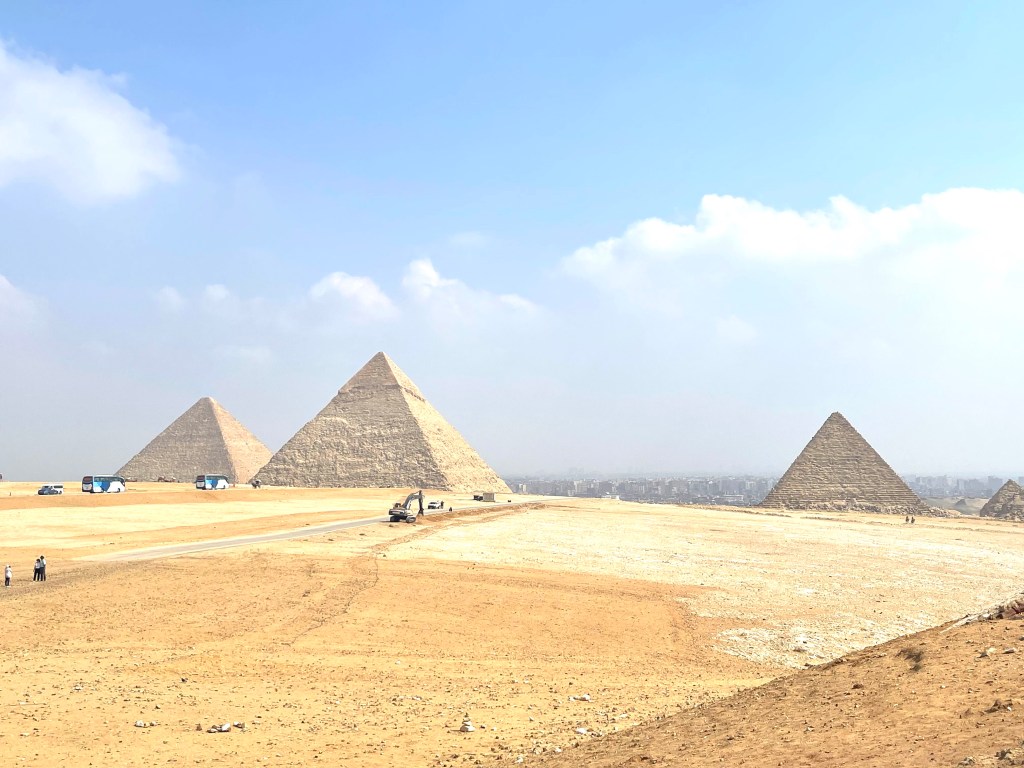
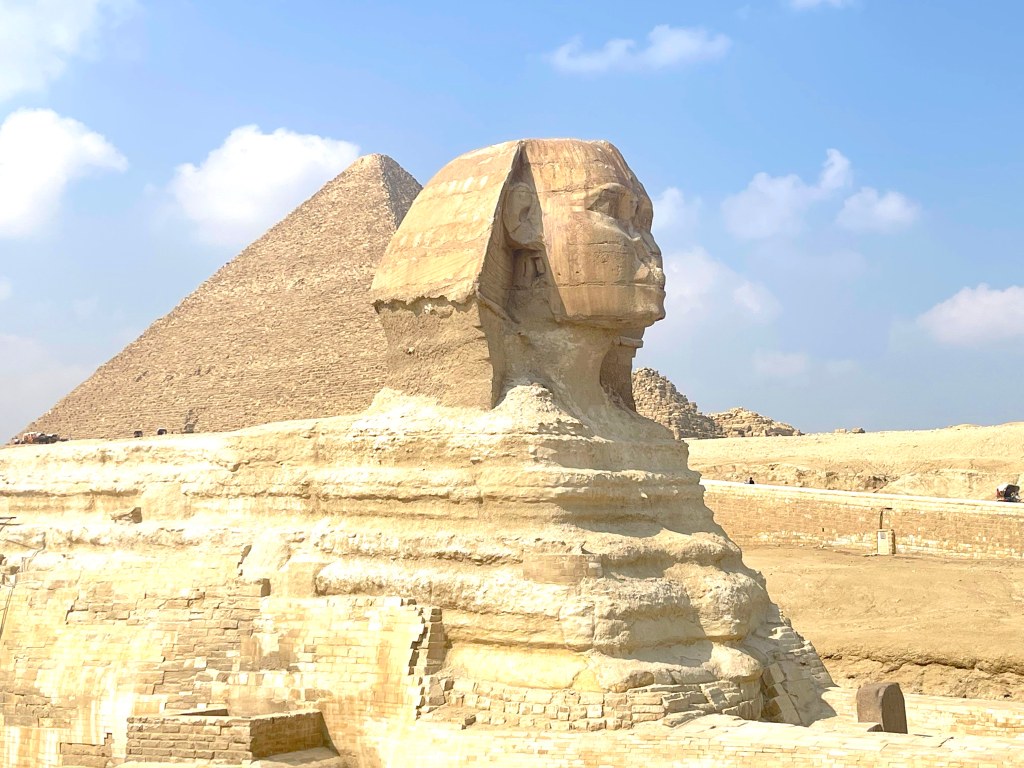
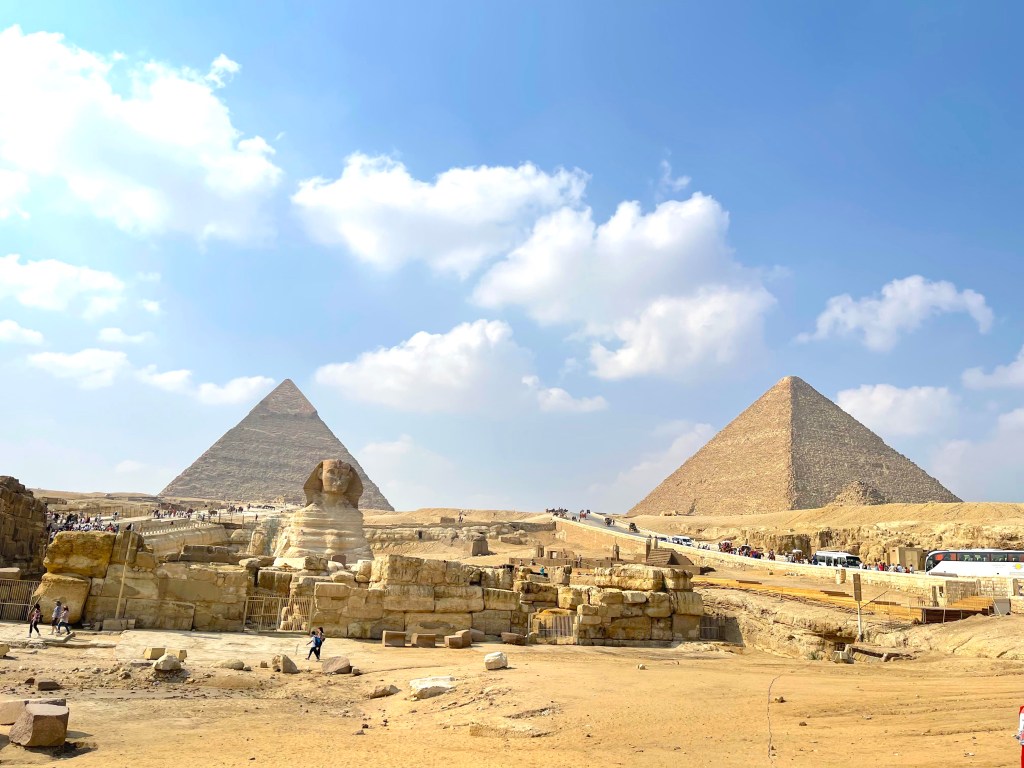
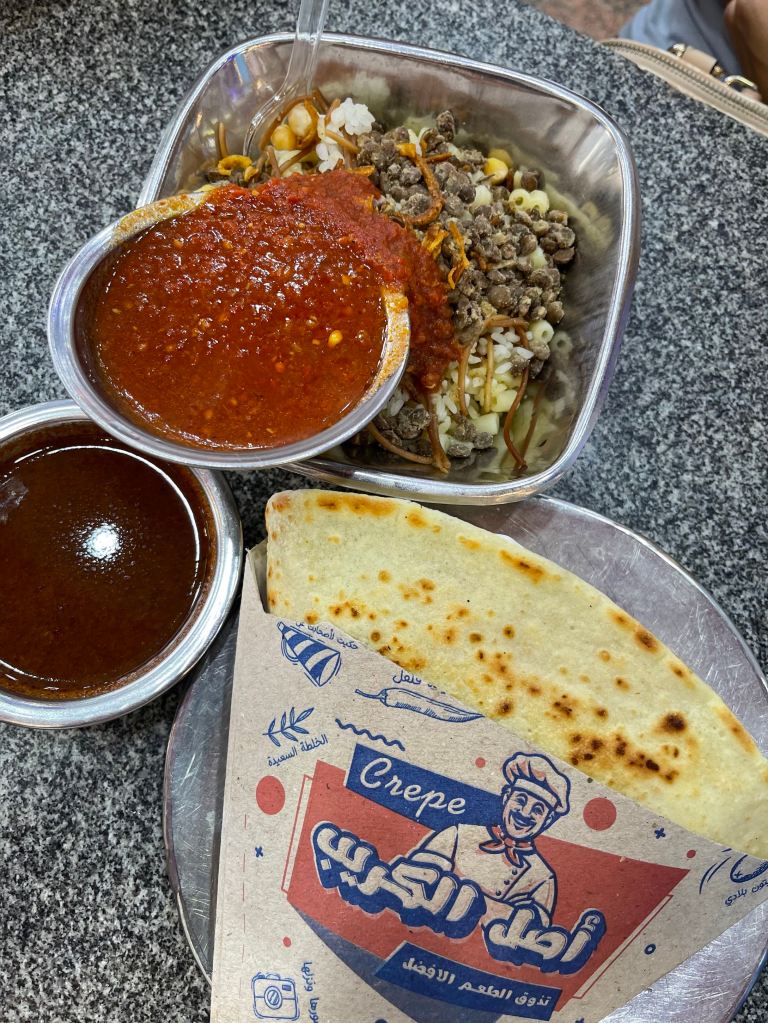
We then got lunch (meal not covered by the tour) at a small shop with two options: koshary (Egypt’s national dish made with pasta, rice, lentils, chickpeas, crispy fried onions, and topped with tomato sauce) or chicken shawarma.
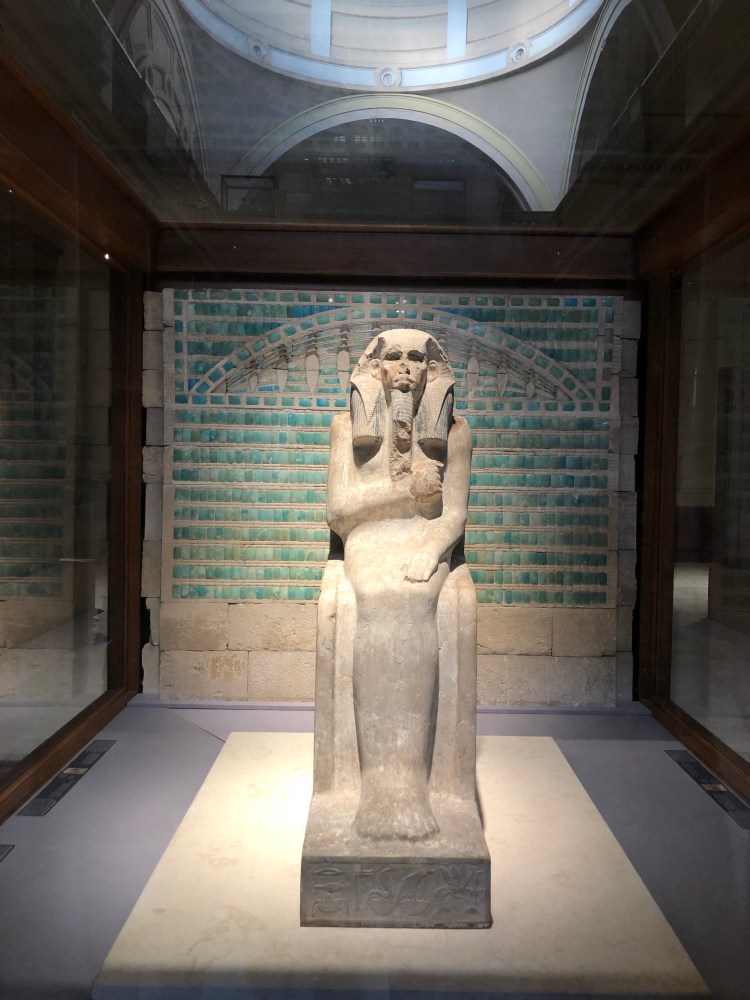
After lunch we went to the (old) Egyptian Museum, but many artifacts were already relocated to the newer museum. Luckily, we were still able to see some statues, mummies, and most importantly, the mask of Tutankhamun. Pictures are not allowed in the Tutankhamun exhibit and this was strictly enforced by the security guards. Overall, it was stunning to see the death mask and inner coffin in the flesh–both made of pure gold. We didn’t have too much free time here, so be mindful if there are certain pieces/collections you want to see.
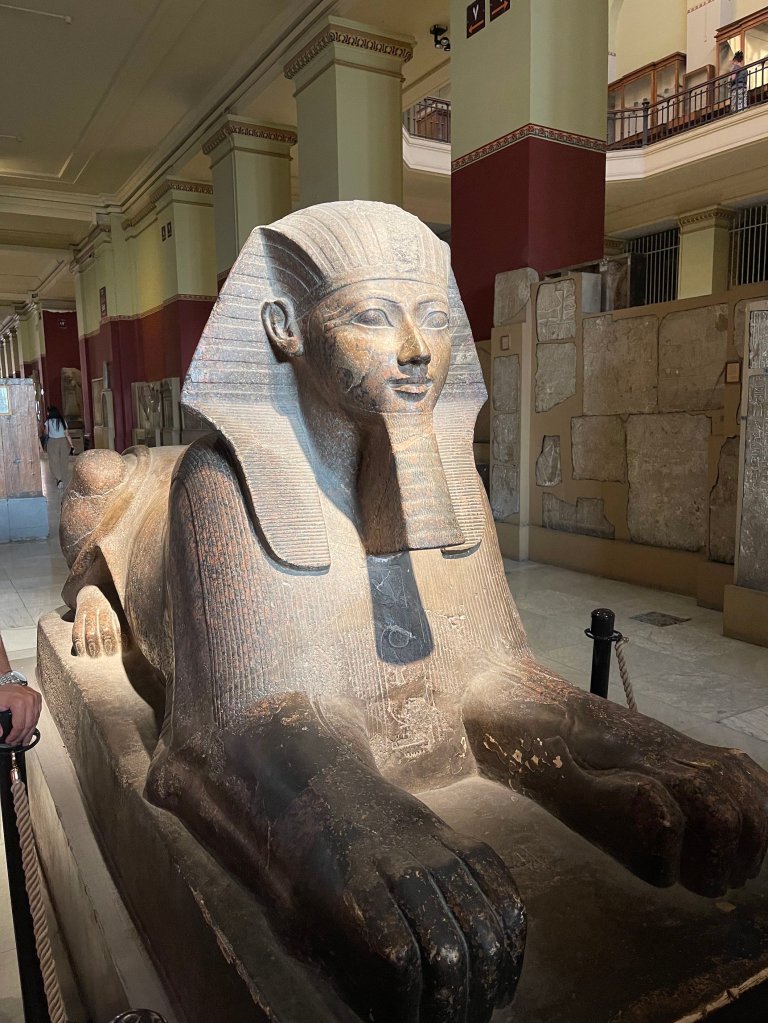
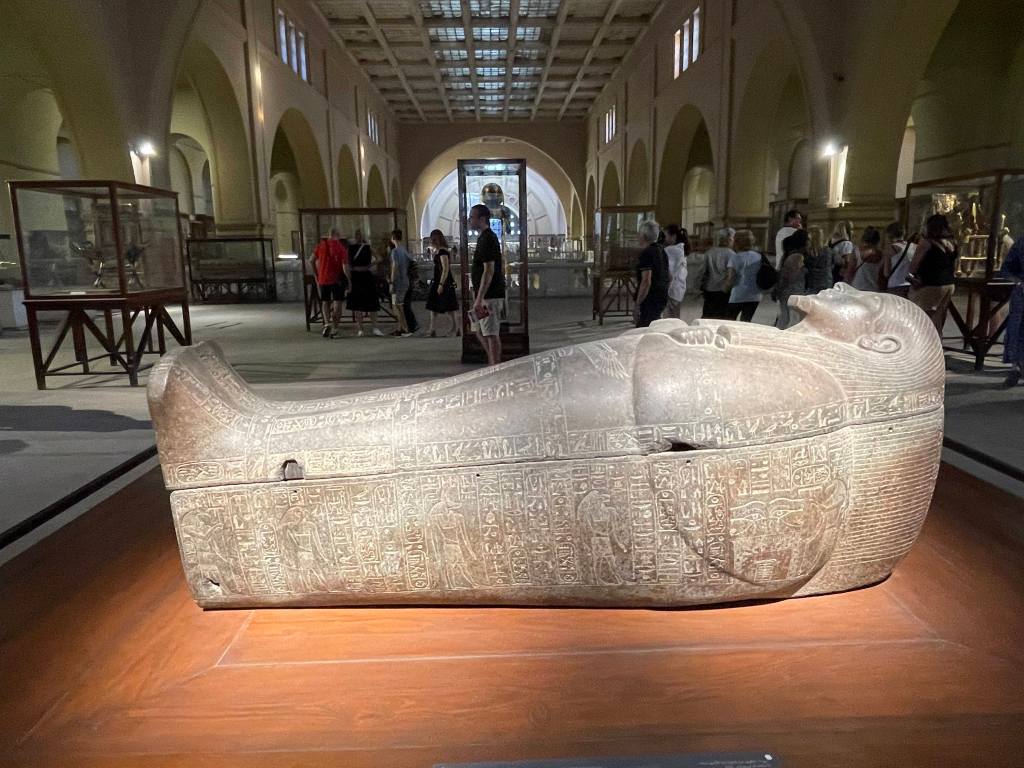
Our van then took us back to the hotel where we had dinner (meal not covered), as Day 3 would require a very early morning start…
Day 3 – 4: Abu Simbel / Aswan
Day 5 – 6: Luxor
Day 7: Cairo — Mosque of Ibn Tulun and Khan al-Khalili Bazaar
We took a morning flight from Luxor to Cairo and then visited the Mosque of Ibn Tulun, where we learned about the Five Pillars of Islam. Mohammad also got us access to the minaret (tower built adjacent to the mosque) and we climbed to the top to see city views of Cairo. One thing to note is that when visiting mosques, females need to wear long pants, non-revealing tops that cover their shoulders, and head scarfs (you can use a regular scarf to cover your head).
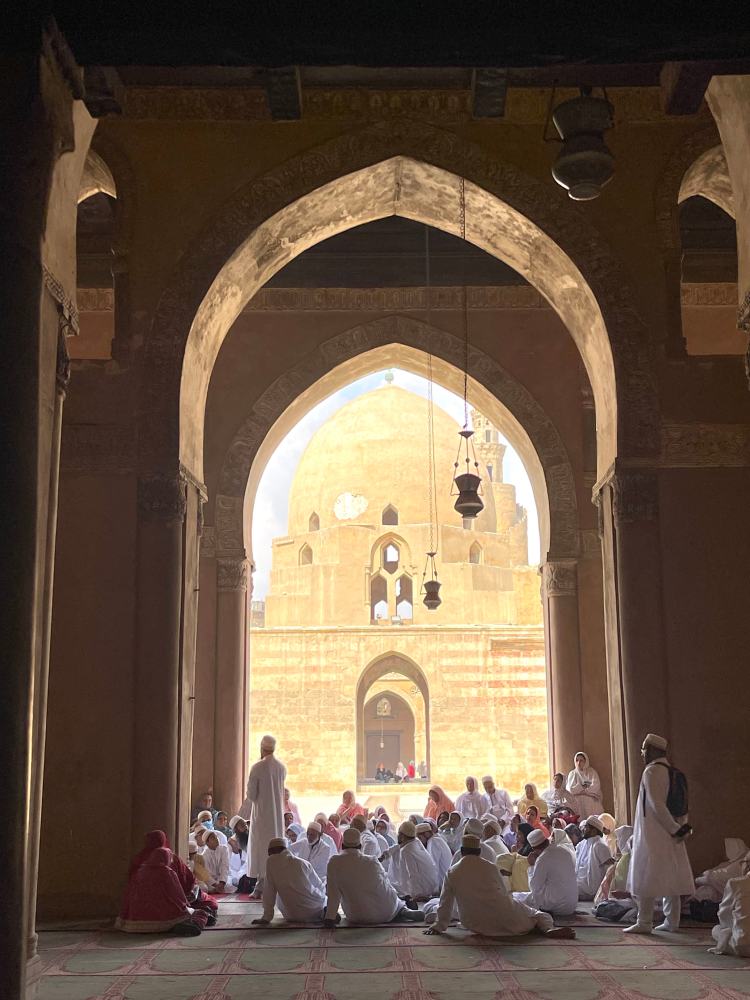
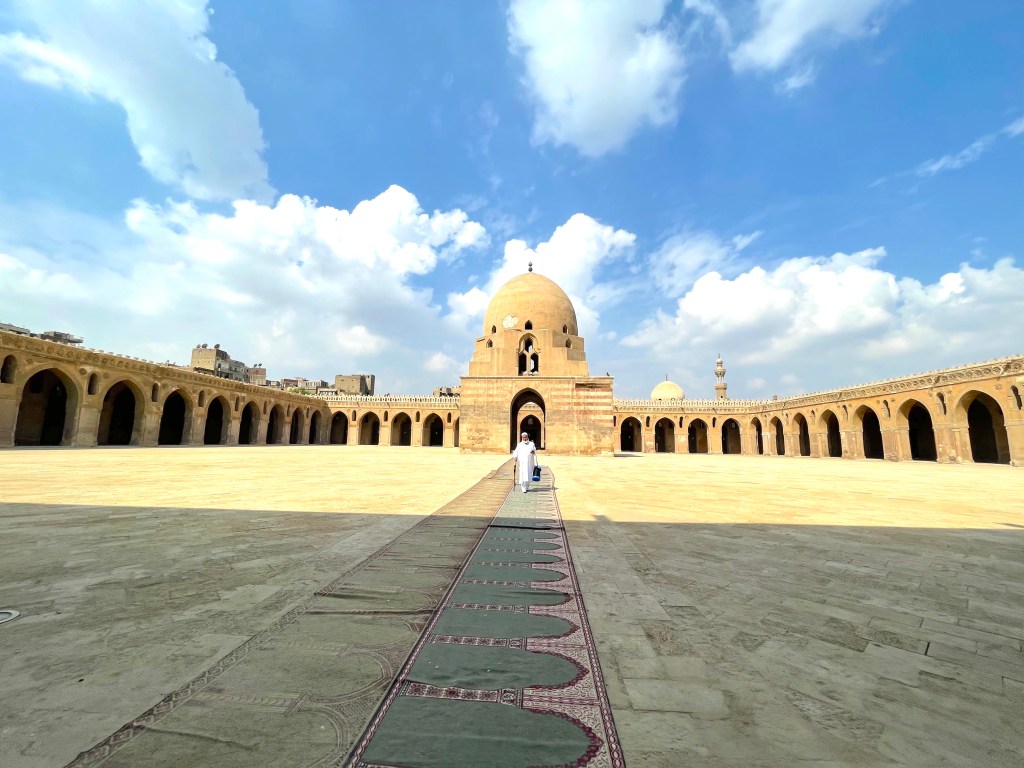
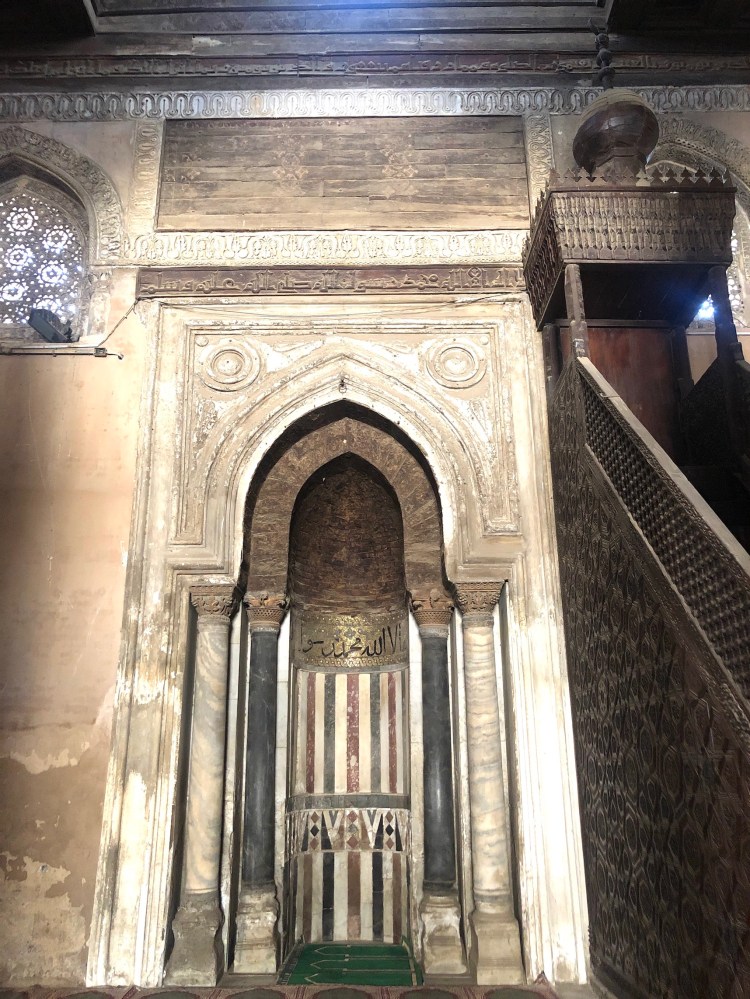
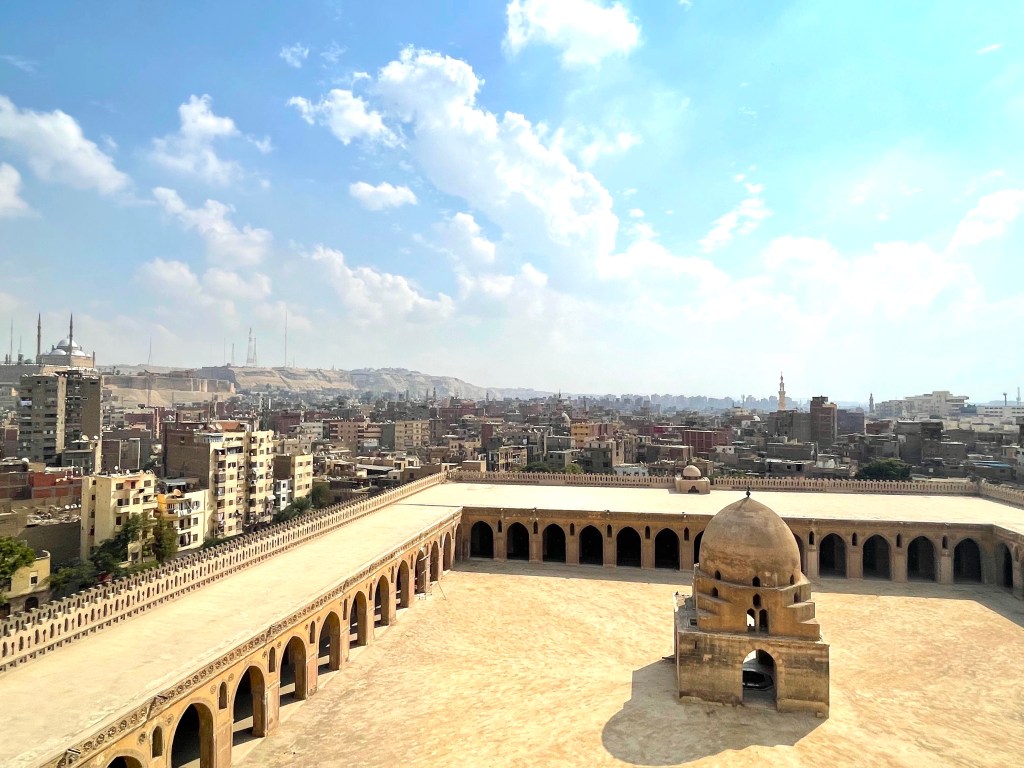
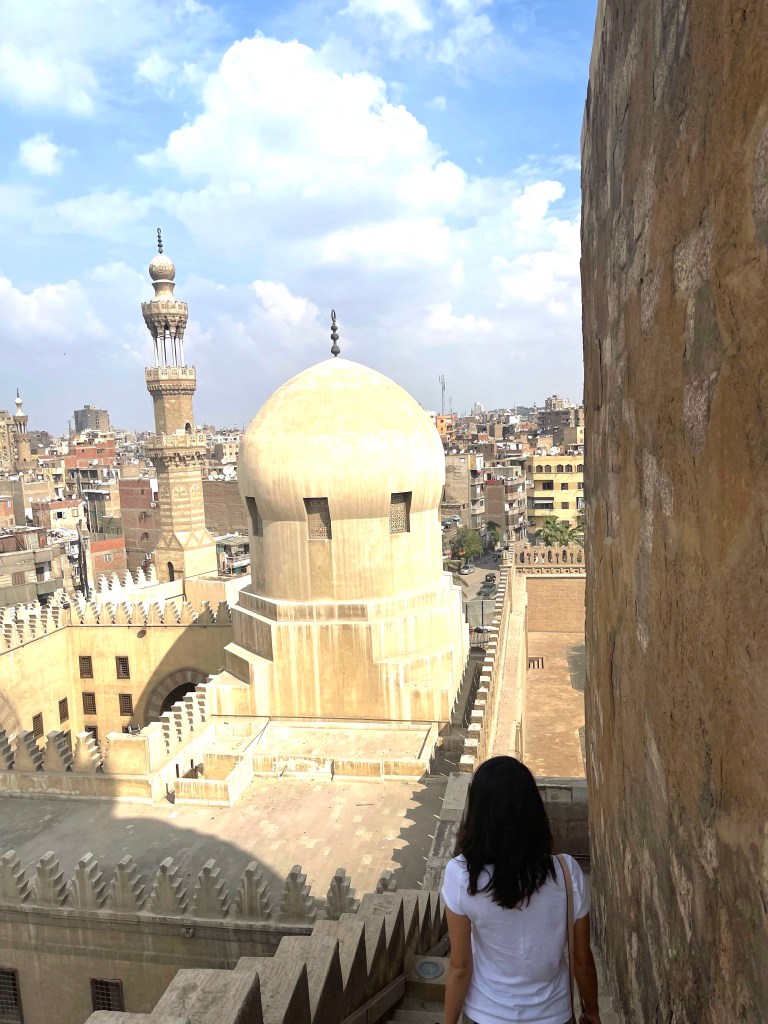
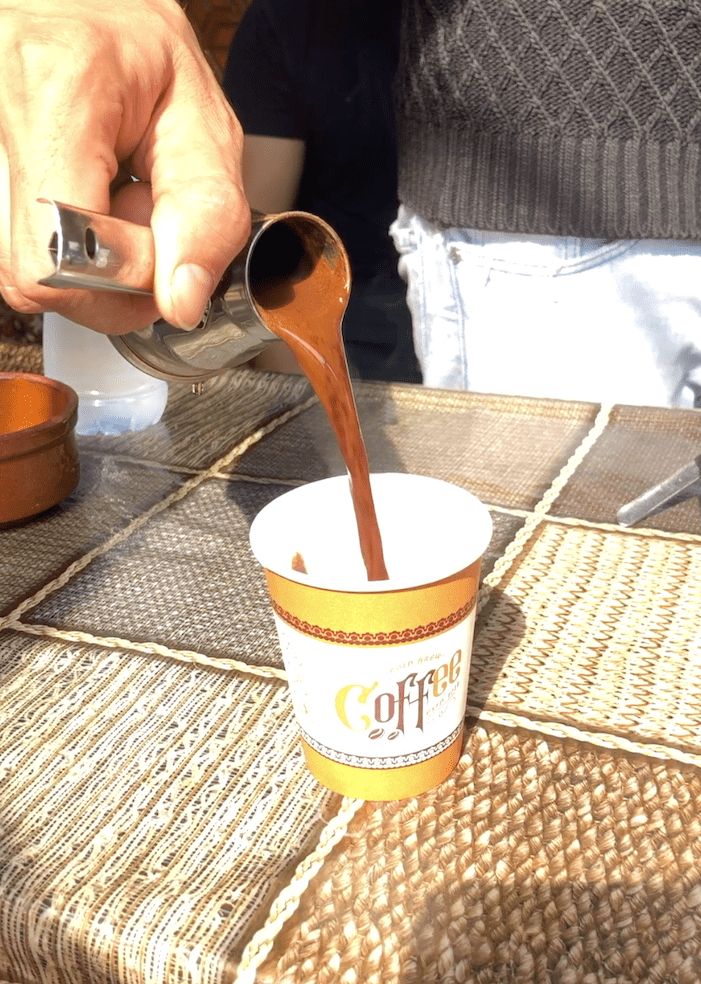
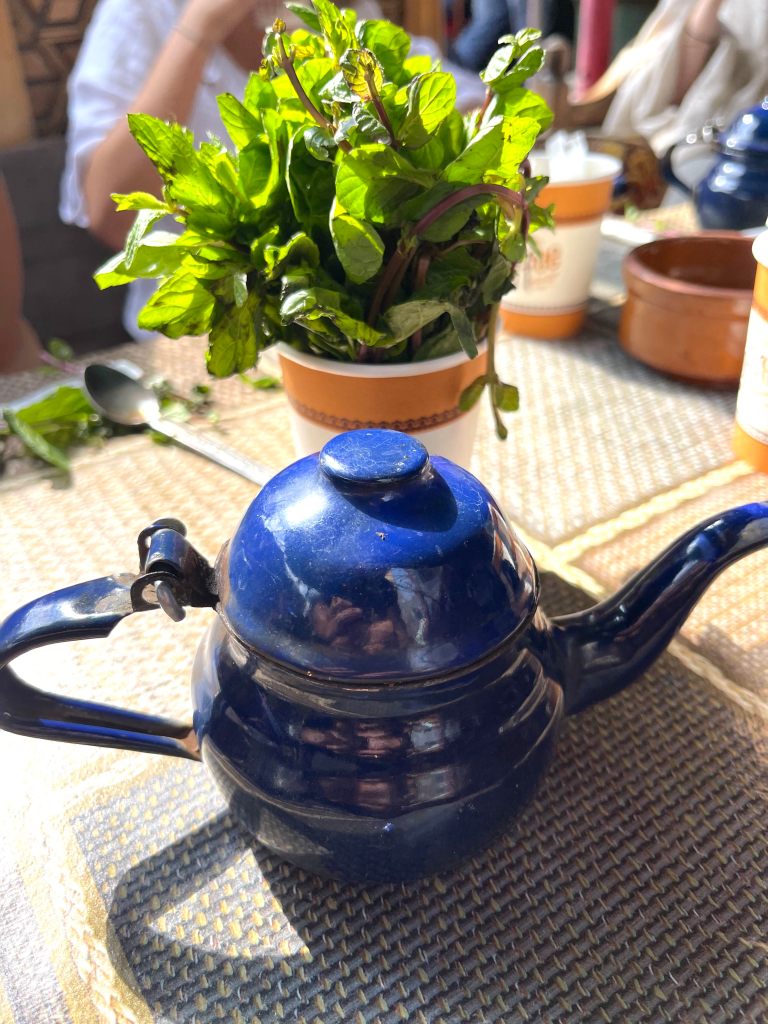
Our next stop was the Khan al-Khalili Bazaar, a bustling market where you can buy souvenirs, spices, jewelry, etc. We stopped by an outdoor cafe at the bazaar for coffee and tea (covered by the tour). Merchants will come to the cafe and try to sell you their goods–it’s very much a hustle culture.
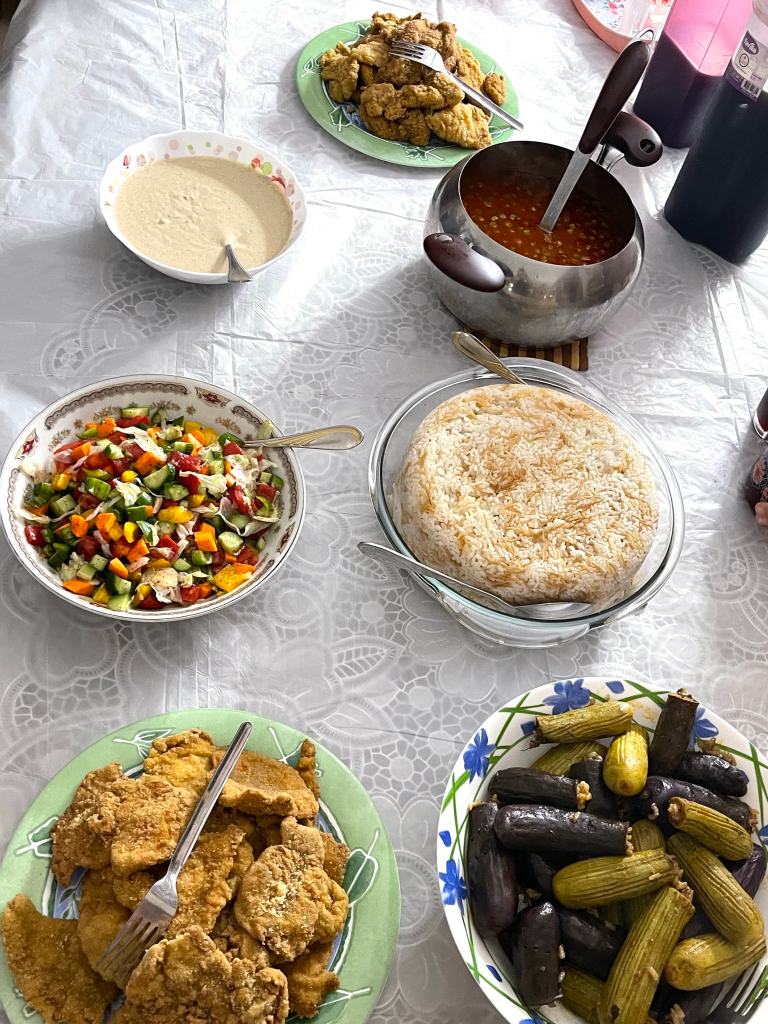
For lunch, we visited a local family for a home cooked meal. The family who hosted us made delicious hibiscus tea, fried chicken, Egyptian salad, Egyptian carrot and pea stew, tahini, and mahshi (rice stuffed eggplant and zucchini). We were shown around their home, and learned about their life in Egypt.
Afterwards, we checked into our last accommodation of the trip: Novotel Cairo El Borg. In the evening, we bought drinks and dinner at the rooftop of the hotel and said our goodbyes to Mohammad and the rest of the group.
Day 8: Our flight leaving Cairo was early in the morning, so Mohammad told the front desk to pack us breakfast to-go. We booked a private airport transfer in advance through Intrepid, which I recommend despite it being more expensive than just ordering an Uber. It also includes having a personnel meet you at the airport to help you through security, pick up your boarding pass, and fill out the customs paper. We actually ran into trouble at security since they wouldn’t let us in without boarding passes (Egyptair didn’t provide us mobile passes when we checked in for our flight from Cairo), but the guide was able to explain the situation and get us through. Egyptian airports can be chaotic, so having someone from the tour company who can help deal with everything made all the difference for us.
Miscellaneous: A few tips and potentially helpful information for a trip to Egypt–
Only drink from bottled water, which also means avoid eating raw food/dishes or else you’ll risk getting sick. All the accommodations we stayed at either had complimentary bottled water or it was available for purchase. Restaurants, cafes and some tour buses also sold bottled water for ~$1 USD.
If you’re from America, make sure to bring an adaptor–Egypt uses Plug Type C and F which are the two round prongs.
Tipping is very much expected for everything in Egypt. At airports and hotels, you’ll have people run up and try to carry your luggage expecting gratuity in return. At the temples, be aware of guards that come up to you and ask to help take your picture or suggest taking you to a restricted area to show you around–they are looking for $ and will give you a hard time if you do not comply.
The great thing about the Intrepid tour is the cost includes tipping for all the accommodation, activities and transport. So you only have to worry about tips when you eat out (meals that aren’t covered by the tour) and for the group leader.
Also as a heads up, public bathrooms cost money (~10 Egyptian pounds or 1 USD) and do not provide change, so it’s better to use the bathroom at a restaurant/cafe or at a larger store free of charge.
Speaking of stores, vendors at smaller shops or in markets hustle hard and can be pushy and sometimes rude. If you’re not interested, just keep on walking, avoid eye contact, and say “no” firmly.
Be prepared for metal detectors and baggage scanners everywhere–at hotels, museums, temples, etc. At temples, tombs and historical sites (like the Pyramids of Giza), you cannot bring binoculars and some places won’t allow regular cameras. Best to ask your guide what the restrictions are at each place or ask if he can help carry the items for you.
 Globe Trotter
2 thoughts on “Cairo, Egypt”